Accessibility, Diversity, and the European Accessibility Act: A Conversation with Claudia Ceh
Published on April 30, 2026
.png?locale=en)
Why accessibility is everyone’s responsibility
After ten years as an in-house developer, Claudia Ceh decided to go freelance with a clear focus: inclusive digital products that are accessible and usable for everyone. Her goal is to make accessibility a permanent part of her clients’ workflows and her teams - not a side project, but a quality standard.
“I try to establish accessibility as an integral part of the work for my clients and within the teams I work in - similar to how code reviews and testing have become standard practice.”
Her technical focus lies on JavaScript frameworks like React and Vue. According to Claudia, a lot can already be done right there if accessibility is considered early on. But her point goes beyond code: in her view, accessibility is not a department or a specialist’s job: it’s a mindset that runs across all disciplines. Everyone working in digital spaces should engage with the topic.
The most common barriers and what the European Accessibility Act changes
What does digital accessibility actually mean in practice? For Claudia, the big picture is clear: everyone should be able to use a website or app equally well, regardless of disabilities, age, or technology.
The recurring issues she sees in projects include:
- missing image descriptions
- insufficient color contrast
- unusable forms
- lack of keyboard navigation
- poor heading structure
The last two points are particularly critical, as they are essential for navigating a website. For people using screen readers or relying solely on keyboards, clean HTML semantics determine whether a page is usable at all. Claudia sees one of the biggest knowledge gaps here: many developers don’t realize how much semantic HTML can and must do.
Her advice when facing UI implementation challenges:
“As a developer, you should always talk to the design team. Together, you can find solutions.”
The European Accessibility Act increases the pressure and from her perspective, that’s a good thing. For many companies, accessibility is no longer optional; it’s a legal requirement. But legislation alone isn’t enough.
“You have to remember that accessibility isn’t something you ‘quickly add’ at the end—it needs to be considered right from the start of the project.”
Those who address it just before launch pay the price in rework, time, and frustration. Those who integrate it early save on all three.
So why does the topic still get neglected? Claudia calls it a Pandora’s box:
“People are afraid to dive into it because it seems too complex, requires too many changes, or is simply too expensive and time-consuming.”
Diversity in teams is part of accessibility
Accessibility has another dimension: one that doesn’t start with HTML tags, but with the question of who gets to contribute when products are being designed.
Throughout her career, Claudia was often the only woman on her team. For a long time, that didn’t stand out to her, until parental leave and part-time work entered the picture.
“It was never primarily about being the only woman - it felt more like being the only person whose focus wasn’t solely on work anymore.”
Her observation: more diversity wouldn’t just improve team dynamics it would improve the products themselves.
“In general, it would help if more people with disabilities worked in companies and on projects.”
A turning point in her own career was the Digital Women* Night in Nuremberg. For years, she had attended developer meetups that were 99 percent male and never really felt a sense of belonging.
“It wasn’t until I attended the Digital Women* Night events here in Nuremberg that I realized how great it is to be surrounded by women in the industry and to support each other.”
Community, she says, creates support systems and can build bridges to drive change together.
What teams can do now and where companies need to start
If a team has never consciously worked on accessibility, Claudia says one thing matters most: time.
“Teams definitely need to be given time to learn and grow in this area.”
Everything else, understanding semantics, checking contrast, testing keyboard navigation, trying screen readers builds on that foundation.
For the industry as a whole, she sees two key levers: education and concept. Accessible web development should be part of university curricula and design education. At Hof University, she teaches exactly this subject. Her experience: once students understand how different people perceive digital content, they naturally change their projects.
“If this awareness is carried into concepts, design, user stories, and development, we could create some truly great projects.”
For companies, inclusion is not just an obligation - it’s an opportunity:
“Companies have the chance to be innovative through inclusion, and it’s a mark of quality when their products can be used by many more people.
And with an aging society in mind, she adds a thought that is often overlooked: sooner or later, each of us will depend on digital and non-digital environments being accessible.
FAQ
What does digital accessibility mean?
Digital accessibility means that everyone can use digital services like websites or apps equally, regardless of disabilities, age, or technology. It affects design, content, development, and project management alike.
Digital accessibility means that everyone can use digital services like websites or apps equally, regardless of disabilities, age, or technology. It affects design, content, development, and project management alike.
What common mistakes do developers make regarding accessibility?
The most frequent issues include missing image descriptions, poor color contrast, unusable forms, lack of keyboard navigation, and weak heading structures. The importance of clean HTML semantics for screen reader users or keyboard-only navigation is often underestimated.
The most frequent issues include missing image descriptions, poor color contrast, unusable forms, lack of keyboard navigation, and weak heading structures. The importance of clean HTML semantics for screen reader users or keyboard-only navigation is often underestimated.
What does the European Accessibility Act mean for developers?
The European Accessibility Act requires many companies to provide accessible digital products and services. For developers and designers, this means accessibility is no longer optional - it must be considered from the very start of a project.
The European Accessibility Act requires many companies to provide accessible digital products and services. For developers and designers, this means accessibility is no longer optional - it must be considered from the very start of a project.
How can a team get started with accessibility if they have no prior experience?
The first step is time to learn. From there, basic practices quickly pay off: proper heading structures, keyboard navigation, color contrast, alt text, and screen reader testing. Close collaboration with design teams helps find better solutions.
The first step is time to learn. From there, basic practices quickly pay off: proper heading structures, keyboard navigation, color contrast, alt text, and screen reader testing. Close collaboration with design teams helps find better solutions.
Why is accessibility connected to diversity in tech teams?
If you’re building for everyone, you need diverse perspectives within your team. Greater diversity—including people with disabilities - leads to products that truly serve more users. Communities like Digital Women* Night in Nuremberg or the Nürnberg Digital Festival foster exchange and connection.
If you’re building for everyone, you need diverse perspectives within your team. Greater diversity—including people with disabilities - leads to products that truly serve more users. Communities like Digital Women* Night in Nuremberg or the Nürnberg Digital Festival foster exchange and connection.
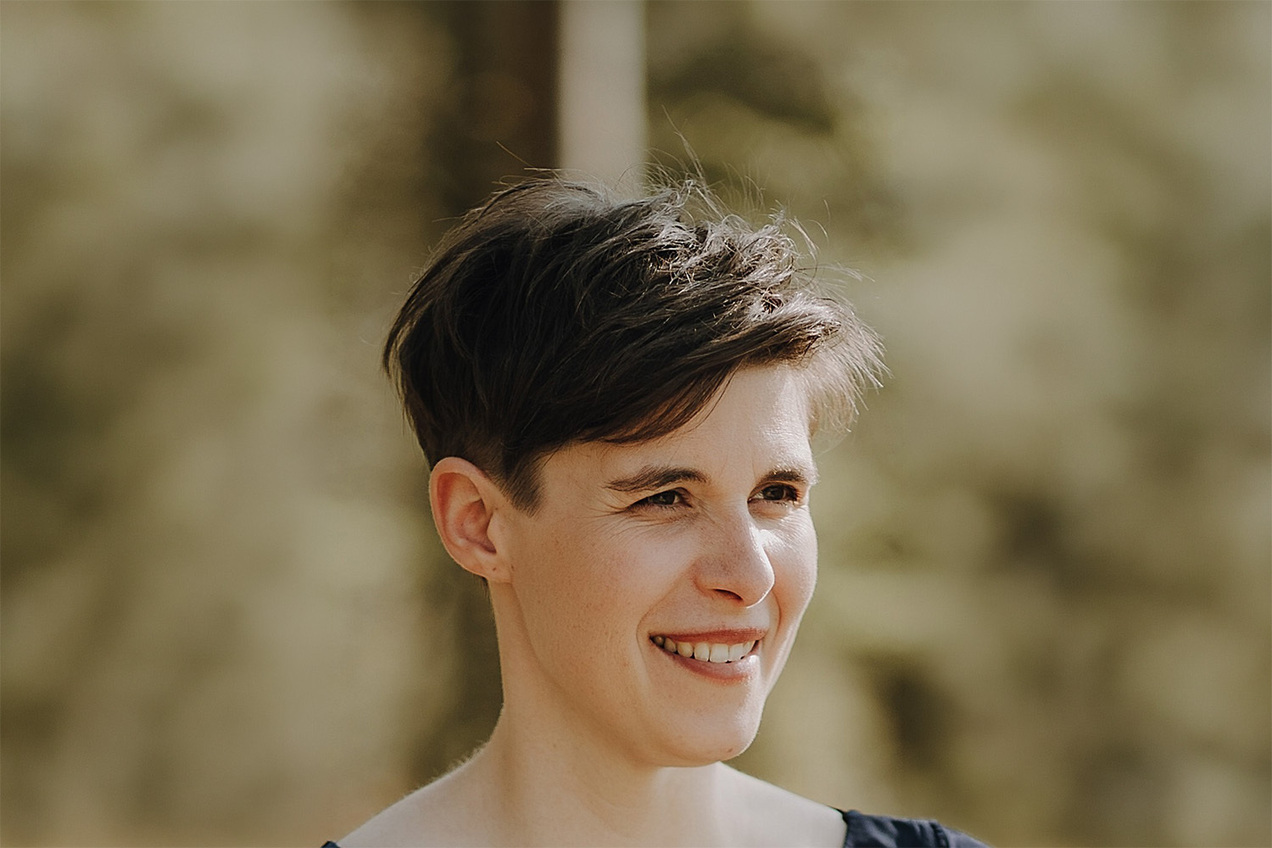
Claudia Ceh is a freelance frontend developer specializing in digital accessibility. She supports teams in building accessible web applications—from planning to implementation. She also teaches the course “Accessible Web Development” at Hof University and runs workshops for developers. Her wish for society and the industry: to recognize participation as a fundamental right. When that happens, accessibility will no longer be seen as a burden, but as an essential standard.

Alina Laßen
Werkstudentin Marketing & Projektmanagement
NUEDIGITAL
Related Blog Posts

How do you plan a successful event? The 5 most important ...
Johanna and Elwira from the NUEDIGITAL team know the most common pitfalls and share what really makes a difference at an event — from the right image formats to the very first question you should ask yourself.
Published on March 31, 2026
Read more.png?locale=en)
.png?locale=en)
From AI-powered gardening to phone bots: AI HUB Nuremberg...
Andrea Reindel on the AI HUB Nuremberg, AI use cases in gardening and medical practices, and why the project is being extended by two years.
Published on May 08, 2026
Read more.png?locale=en)